



 2023年12月19日 13:54 發布
編輯:Editor

食療(四)
吳宇琛
SUM WU
Sum Wu
Registered Chinese Medicine Practitioner
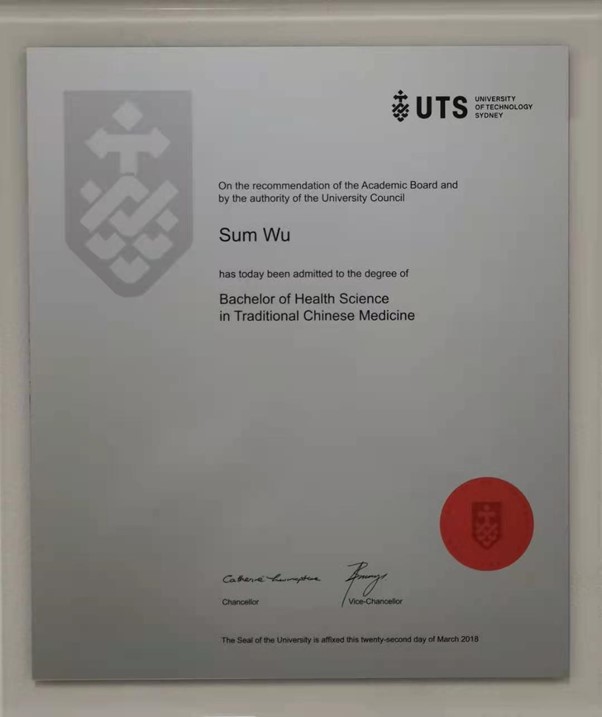
Bachelor of Health Science in Traditional Chinese Medicine (UTS)
Bachelor of Science Majoring in Psychology (UOW)
Specialising in pain management and mental wellbeing through Tradition Chinese medicine in combination with modern science in mental health, dieting and nutrition.
吳宇琛,澳洲政府註冊中醫師、針灸師,五龍崗大學心理學學士、悉尼科技大學中醫系學士,擅長用傳統針灸理傷手法和中藥治療各種新舊損傷痛症,特別採用中醫中藥和現代心理學、營養學相結合調理治療各種慢性病和亞健康。

Previously I briefly touched on different components that make up Chinese medicine food therapy and just to recap the important key points. They were:
The Five Grains, Five Fruits, Five Livestock and Five vegetables
The Five Flavours
The Warm, Hot, Cool and Cold natures
The three etiological factors of Climate and Time, Locality and individual orientated factors.
在之前的節目裡,我簡要介紹了中醫食療的不同組成部分,我們再回顧一下之前的要點,他們分別是:
五糧五果五畜五菜
五種味道,
溫、熱、涼、寒的性質
因時、因地、因人製宜
Today we’ll touch on these key points again and introduce some common Chinese recipes that also has some remarkable health benefits.
Currently we are in the summer season in Sydney but interestingly we have also been experiencing some very wet weather and you may have noticed that the humidity is a bit high rather than the usual dry summer heat we experience in the past. Normally in summer we would see an influx of heat related illnesses and the focus would be to treat heat pattern illness with cooling formulas and from a food perspective it is recommended to integrate more ingredients that are cooling in nature and have the ability to engender fluids. Common examples are water melon and mung bean sweet soups. It is also not uncommon to incorporate a bit more bitter flavours into cooking such as bitter melons. This vegetable has the ability to expel summer heat and due to the bitter flavour and can reduce inflammation and drain dampness.
今天的節目我們要再次討論這些要點,並且為大家介紹一些對健康非常有益的常見的食譜。
現在雪梨正處於夏季,但今年比較有趣的是,前陣子有些天非常潮濕,大家可能已經感覺到了,和我們過去經歷的干燥炎熱的夏天非常不一樣。 通常來說在夏季,我們中醫在平時的看診中會接觸到與熱有關的疾病非常多,那治療這些疾病的重點就是用涼性的藥方,從食物的角度來看,我們會建議加入更 多具有涼性和生津能力的藥材。 常見的例子有西瓜和綠豆糖水,在烹飪中加入更多的苦味也是我們通常會用的方法,比如苦瓜,這種蔬菜具有天然的清熱解暑的作用,苦瓜因味苦,能消炎祛濕。
So for our summer category today we have 2 soups with very different tastes, a mung bean soup and one made with bitter melon. Let’s start off with something sweet and easy to make first.
今天我們的夏季食療有兩種味道截然不同的湯,一種是綠豆糖水,另一種是苦瓜湯。 那就讓我們先從一些甜的而且容易製作的東西開始。
Mung bean soup is a very popular dessert in China and over the years many regional variations has evolved around what is essentially a very simple recipe. It’s a versatile dish that can be modified to be consumed hot or cold such as mung bean congee or mung bean ice.
Mung beans are cool in nature and sweet in taste. It has the ability to clear heat and drain damp, promote urination and eliminates toxins. It is traditionally used to treat summer stroke and as mung beans can clear heat and eliminate toxins, they are good for treating skin inflammations such as rashes, ulcers and pimples with some scientific research suggesting it is high in anti-inflammatory and antioxidant properties.
綠豆糖水在中國是一種非常受歡迎的甜點,很多年以來圍繞著這個非常簡單的食譜演變出了許多地區的不同變化。 這可以說是一道多功能的菜餚,可以熱食或冷食,例如綠豆粥或綠豆冰。
綠豆性涼,味甘,具有清熱利濕、利尿解毒的功效。 綠豆傳統上用於治療夏季中暑,由於綠豆可以清熱解毒,因此還有助於治療皮疹、潰瘍和粉刺等皮膚炎症,一些科學研究表明綠豆具有很高的抗炎和抗氧化特性。
Here is a simple recipe for making the cold version perfect for summer.
Ingredients
1 cup mung bean
A small handful of rock sugar
3 litres of water
“optional” 500 ml of coconut milk for a smoother finish
Method
First soak the mung beans in cold water for 1-2 hours and then drain water
Boil the beans in 3L of water over high heat. Once boiling reduce it to medium low and simmer until the beans are soft
Add in rock sugar to taste
Refrigerate to serve cold. You can add the coconut milk just before serving.
這個簡單的冷飲食譜就可以完美適合夏季飲用:
原料
• 一杯綠豆
• 一小把冰糖
• 3公升水
• 「可選」500 毫升椰奶,讓口感更滑順
方法
1. 先將綠豆用冷水浸泡1-2小時,然後瀝乾水分
2. 將豆子放入3L水中,用大火煮沸。 煮沸後,將其降至中低火,煮至豆子變軟
3. 加入冰糖調味
4. 冷藏即可食用,也可以在食用前添加椰奶。
This recipe is incredible easy to make with only a few ingredients and steps but it is also very flexible. It is also common to prepare it with seaweed which is also a cool herb and also Common Rue (臭草) which also clears heat and toxin but caution must be exercised as it contains a small amount of toxins so should be avoided in pregnant women or those with liver issues although for mung bean soup you would only use 1 or 2 small sprigs which is within safe amounts.
這個食譜非常容易操作,而且只需很少的原料和步驟,但它也非常靈活。 也常見用海帶來搭配,海帶也是一種涼性的材料,臭草也具有清熱解毒的作用,但必須小心使用,因為它含有少量毒素,因此孕婦或有肝臟問題的人應避免使用。 不過對於綠豆糖水來說只需要使用 1 或 2 個小枝,還是在安全範圍內。
The other summer soup is on the other end of the taste spectrum and it is a savoury dish. Bitter melon and pork rib soup. This is also a fairly common Cantonese style soup so you make be surprised that anyone would consider using a bitter ingredient to make a savoury soup.
另一道夏季的湯品則是另一種口味,它非常美味,也就是苦瓜排骨湯。 這也是相當常見的粵式湯水,所以你會驚訝地發現居然有人會考慮使用苦味的成分來製作美味的湯。
Bitter melon is also known as cooling melon (凉瓜) in Guangzhou and so named after its remarkable cooling properties rather than just being bitter. The bitter flavour enters the Heart Zang organ and helps calm the mind and cool the body. Bitter melon is also incredibly nutrient dense. It is high in essential minerals and vitamins such as Vitamin A and C, folate, potassium zinc and iron. Traditionally it was also used to lower blood sugar.
苦瓜在廣州也被稱為涼瓜,因其具有顯著的涼性而得名,而不僅僅只是有苦味。 苦味入心臟,有寧心涼身的作用。 苦瓜的營養成分也非常豐富,它富含人體所需礦物質和維生素,如維生素 A 和 C、葉酸、鉀、鋅和鐵,在傳統上它也被用來降低血糖。
Ingredients:
1/3 cups of pearl barley
1kg of pork bones or pork short ribs
2-3 honey dates or red dates
4 slices of ginger
1 large bitter melon
2 Litres of water
Salt to taste
Method
Soak the pearl barley for at least 2 hours in cold water and drain,
If you prefer your soup to be clearer then you will need to boil the pork bones first to boil out all the impurities and wash them thoroughly first
Combine the pork with the dates, pearl barley and ginger into a pot with 2L of water and bring it to boil over high heat. Then reduced it to a medium low and simmer with the lid on for 2 hours.
Just before the 2 hour mark prepare the bitter melon. Divide the bitter melon in half, length wise then scoop out the seeds, most of the bitterness are in the seeds, then slice up the halves into chucks.
After the soup has been simmering for 2 hours you can skim off any fats and then add in the bitter melon and simmer for another 30 mins. You can salt to taste at this point.
原料
• 1/3 杯珍珠薏仁(又稱生薏米)
• 1公斤豬骨或豬小排
• 2-3顆蜜棗或紅棗
• 4片生薑
• 1 大苦瓜
• 2 公升水
• 食鹽適量
方法
1. 將薏米用冷水浸泡至少2小時,瀝乾水分;
2. 如果你喜歡湯比較清的話,就需要先把豬骨煮沸,把裡面的雜質都煮出來,然後再徹底清洗乾淨
3. 將豬肉與紅棗、薑、薏米一起放入鍋中,加2公升水,用大火煮沸。 然後將其調至中小火,蓋上蓋子煮2小時。
4. 可以在煮湯的兩小時期間準備苦瓜,將苦瓜沿長度方向分成兩半,然後去掉籽,因為大部分苦味都在種子中,然後切成片。
5. 湯煮夠2小時後,撇去油脂,然後加入苦瓜,再煮30分鐘,最後可以加鹽調味。
This recipe contains pearl barley which is slightly cold and has a sweet flavour and it is used for strengthening the spleen and resolving dampness and also clears damp heat. As this soup contains 2 cold natured ingredients we can use some ginger and red dates to harmonise the recipe by balancing the cold with a little bit of warmth. If you are worried that the red dates may make the soup too hot then you can replace it with honey dates, this will also tempered a bit of the bitterness from the melon.
Note that a lot of Cantonese style soups use pork and pork bone rather than chicken as chicken can be a bit too hot and in this case we want to promote the heat clearing effects of this soup.
這個食譜中使用了薏米,它的性微寒,味甘,可以用於健脾化濕、清濕熱。 由於此湯含有兩種寒性成分,因此我們可以使用一些生薑和紅棗來協調食譜,透過平衡寒性和一點溫性。 如果擔心紅棗會讓湯太熱,可以用蜜棗代替,這樣也能緩和一點苦瓜的苦味。
最後大家請注意,很多粵式湯使用豬肉和豬骨而不是雞肉,因為雞肉的性質可能有點太熱,在這種情況下我們希望突出這個湯的清熱作用。
如有疑問想諮詢小吳醫師,可以在微信或whatsapp搜尋0404836368,加小吳醫師微信或whatsapp,也可以發短信或致電0404836368作語音留言,小吳醫師有空就會回复。

(吳宇琛中醫師,澳洲政府註冊中醫師、針灸師,五龍崗大學心理學學士、悉尼科技大學中醫系學士,悉尼好思維松軒藥行主治中醫師,本文僅供參考,具體診療應諮詢專業人士。)




 FACEBOOK
 WECHAT

 INSTAGRAM

