
 2026年08月11日 10:56 發布
編輯:Editor
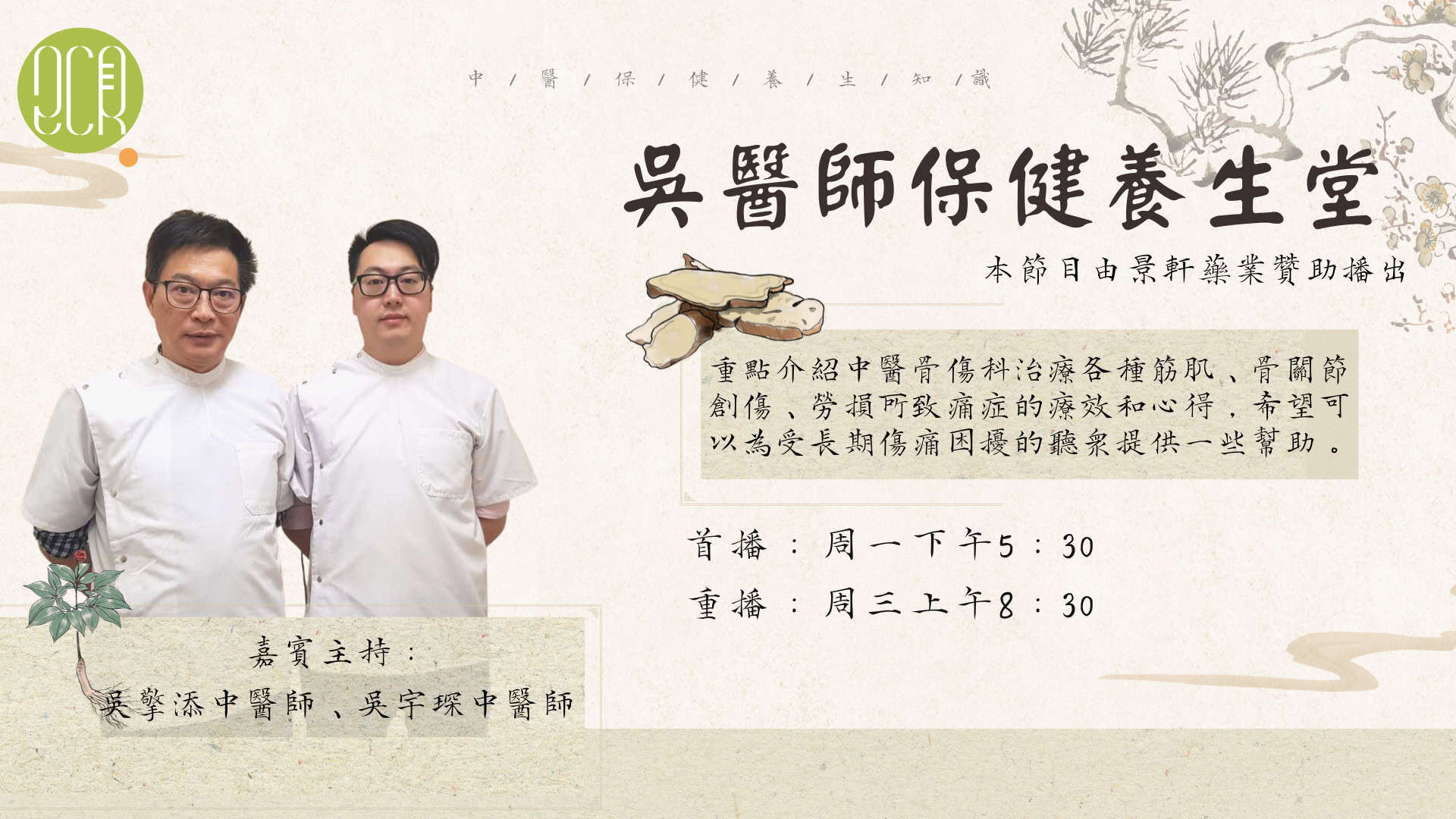
Sum Wu
Registered Chinese Medicine Practitioner
Bachelor of Health Science in Traditional Chinese Medicine (UTS)
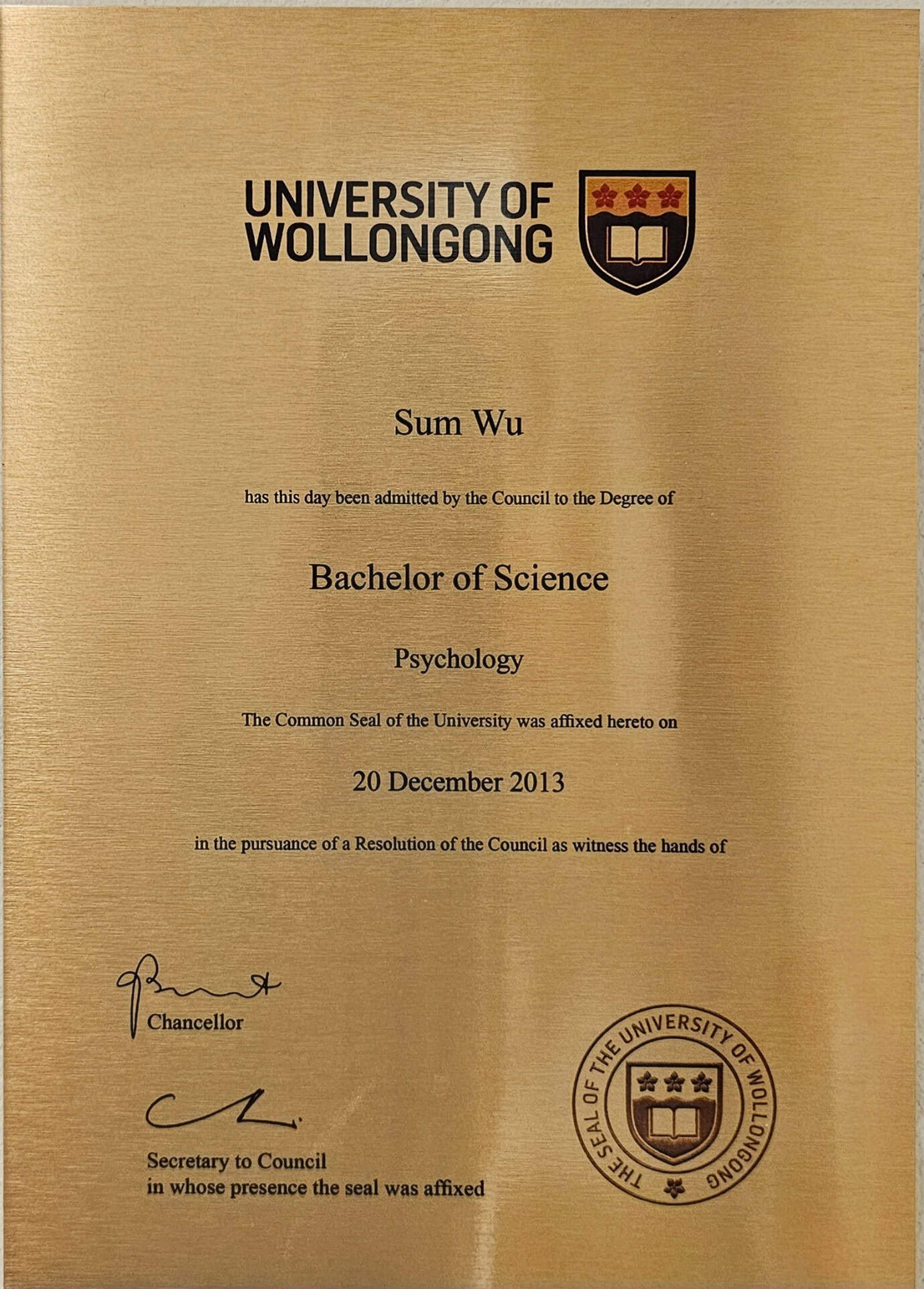
Bachelor of Science Majoring in Psychology (UOW)
Director of Hurstville Chinese Herbs Centre
Vice Dean of College of Traditional Chinese Medicine Orthopedics Australia
Specialising in pain management and mental wellbeing through Tradition Chinese medicine in combination with modern science in mental health, dieting and nutrition.
吳宇琛,澳大利亞政府注冊中醫師、針灸師,五龍崗大學心理學學士、悉尼科技大學中醫系學士,澳大利亞松軒中醫藥中心主任醫師,澳大利亞中醫骨傷專科學院副院長。
擅長用傳統針灸理傷手法和中藥治療各種新舊損傷痛症,特別採用中醫中藥和現代心理學、營養學相結合調理治療各種慢性病和亞健康。

When you see a Traditional Chinese Medicine (TCM) practitioner, one of the first things you may be asked to do is stick out your tongue. To many people, this may seem unusual, but tongue observation has been an important diagnostic tool in Chinese medicine.
當您前往中醫診所就診時,中醫師通常會先請您伸出舌頭。對許多人而言,這看似只是個簡單的動作,但事實上,舌診自古便是中醫診斷的重要環節,也是中醫「四診」(望、聞、問、切)中的核心內容之一。
Along with asking about symptoms, feeling the pulse, and taking a detailed medical history, examining the tongue helps practitioners build a picture of the body’s overall state of health. Rather than diagnosing a specific disease, TCM uses the tongue to identify patterns of imbalance involving Qi, Blood, Yin, Yang, body fluids, and the function of the internal organ systems.
除了詢問症狀、診脈以及詳細了解病史之外,觀察舌頭能夠幫助中醫師全面了解身體的整體狀況。中醫並非透過舌象來診斷某一種特定疾病,而是藉由舌頭的變化來辨別人體氣、血、陰、陽、津液以及臟腑功能是否處於平衡狀态,從而判斷身體所呈現的證候類型。
In TCM, the tongue is considered a “window” into the body’s internal condition. Because it has a rich blood supply and is connected to the body’s meridian system, changes in its appearance reflect changes occurring inside the body.
在中醫理論中,舌頭被視為人體內部健康狀況的一面“鏡子”。由於舌體血液循環豐富,並與經絡及五臟六腑密切相連,因此舌頭顏色、形態及舌苔的變化,往往能够反映身體內部功能的改變。
Unlike laboratory tests that measure a single parameter, tongue diagnosis provides a holistic assessment. A practitioner does not rely on one feature alone but instead considers the tongue alongside your symptoms, pulse, sleep, digestion, emotional state, and medical history.
不同於西醫透過血液檢查或影像檢查來測量單一指標,中醫舌診強調的是整體觀。中醫師不會僅憑舌頭某一個特點作出判斷,而是會結合患者的症狀、脈象、睡眠、消化功能、情緒狀态以及既往病史,進行綜合辨證分析。
A healthy tongue is generally light pink in colour, slightly moist, flexible, and covered with a thin, even white coating. Any deviation from this appearance may provide clues about an underlying pattern of imbalance.
一般來說,健康的舌頭應呈淡紅色,舌體柔軟靈活,略帶濕潤,舌面覆蓋一層均勻而薄薄的白色舌苔。若舌象出現明顯變化,往往提示身體可能存在某種失衡狀
Tongue diagnosis involves evaluating five main features:
舌診主要從以下五個方面進行觀察。
1.Tongue Body Colour
The colour of the tongue body provides insight into the state of Qi, Blood, Yin, and Yang.
Pale tongue often suggests Qi deficiency, Blood deficiency, or Yang deficiency. People with this presentation may experience fatigue, dizziness, cold hands and feet, or a pale complexion.
Red tongue usually indicates Heat within the body. If accompanied by little or no coating, it may suggest Yin deficiency, where body fluids have become depleted. Common symptoms include night sweats, dry mouth, irritability, and insomnia.
Purple or bluish tongue is traditionally associated with Blood stasis, meaning circulation is not flowing smoothly. This pattern is often seen in chronic pain conditions or long-standing illness.
一、舌質顏色
舌質顏色主要反映人體氣、血、陰、陽的盛衰。
舌色淡白,多提示氣虛、血虛或陽虛。此類人士常伴有疲勞乏力、頭暈、面色蒼白、手脚冰冷等表現。
舌色偏紅,通常表示體內有熱。如果同時舌苔較少甚至無苔,則多提示陰虛,說明人體津液不足。患者可能出現口乾、盜汗、心煩、失眠等症狀。
舌色紫暗或青紫,中醫認為多與血瘀有關,表示氣血運行不暢。這種舌象較常見於慢性疼痛、長期疾病或循環功能較差的人群。
2.Tongue Shape
The size and shape of the tongue also provide valuable information.
A swollen tongue may indicate Dampness or Yang deficiency, particularly if teeth marks are visible along the sides. A thin tongue often reflects Blood or Yin deficiency, while cracks may suggest chronic Yin deficiency or long-term depletion of body fluids.
二、舌體形態
舌頭的大小及形態同樣具有重要的診斷意義。
舌體胖大,尤其伴有齒痕,多提示濕氣偏重或陽氣不足。
舌體瘦薄,則常見於血虛或陰虛患者。
若舌面出現裂紋,則可能提示長期陰液不足,或津液虧虛。
當然,中醫師不會單憑舌形下結論,而是結合整體症狀進行分析。
3.Tongue Coating
The tongue coating primarily reflects the health of the Stomach and digestive system, as well as the presence of pathogenic factors.
A thin white coating is considered healthy and indicates normal digestive function.
A thick white coating may suggest Cold, Dampness, or Phlegm accumulation, often accompanied by bloating, sluggish digestion, or a heavy sensation in the body.
A yellow coating indicates Heat. The darker and thicker the coating, the more pronounced the Heat is considered to be. Thick yellow coatings are frequently associated with Damp-Heat affecting the digestive system.
A grey or black coating is relatively uncommon and traditionally reflects a more significant imbalance. A moist black coating is associated with severe Cold and Yang deficiency, whereas a dry black coating suggests intense Heat with depletion of body fluids.
三、舌苔
舌苔主要反映脾胃功能及人體是否受到外邪影響,也是舌診中非常重要的一部分。
薄白苔屬於正常舌苔,表示脾胃功能良好,消化功能正常。
厚白苔通常提示寒邪、濕邪或痰濕內停,患者常伴有腹脹、食欲不振、消化緩慢,以及身體沉重等症狀。
黃苔則代表體內有熱。一般來說,顏色越黃、舌苔越厚,表示熱邪越明顯。若黃苔同時較厚且黏膩,多見於濕熱困阻脾胃。
灰苔或黑苔相對少見,中醫通常認為屬於較深層次的病理變化。若黑苔濕潤,多提示寒邪極盛或陽虛嚴重;若黑苔乾燥,則多表示熱邪熾盛,耗傷津液。
4.Moisture
The amount of moisture on the tongue reflects the condition of the body’s fluids.
A dry tongue may indicate Heat or Yin deficiency, while an excessively wet tongue often points towards Cold or Yang deficiency.
四、舌體潤燥
舌面的濕潤程度能够反映人體津液的狀态。
舌面乾燥,常提示熱盛傷津或陰虛。
舌體過於濕潤,則多見於寒證或陽虛,說明水液代謝功能不足。
5.Tongue Movement
Practitioners also observe how the tongue moves.
A trembling tongue may suggest Qi or Blood deficiency, while a stiff or deviated tongue may indicate Internal Wind. These findings are always interpreted together with the patient’s overall presentation.
五、舌體活動
中醫師也會觀察舌頭活動是否自然靈活。
若舌體顫抖,可能提示氣血不足。
若舌體僵硬或偏斜,則可能與中醫所說的“內風”有關。
這些舌象都必須結合患者整體情况進行辨證,而不會單獨作為診斷依據。
Traditional Chinese Medicine also divides the tongue into regions that correspond to different organ systems.
Tip: Heart and Lungs
Centre: Spleen and Stomach
Sides: Liver and Gallbladder
Root: Kidneys, Bladder, and Intestines
For example, redness confined to the tip of the tongue may suggest Heart Heat, whereas a thick coating concentrated in the centre may indicate Dampness affecting the Stomach and Spleen.
It is important to remember that practitioners never diagnose based solely on one area of the tongue. The entire tongue is assessed as a whole.
中醫認為,舌頭不同部位對應人體不同的臟腑功能。
舌尖:對應心、肺
舌中:對應脾、胃
舌邊:對應肝、膽
舌根:對應腎、膀胱及腸道
例如,若僅舌尖發紅,中醫可能考慮心火偏旺;若舌中央苔厚,則可能提示脾胃濕滯。
不過,需要強調的是,中醫並不會只觀察某一個區域,而是綜合整張舌頭進行判斷。
Tongue appearance can change temporarily for reasons unrelated to illness.
Coffee, tea, coloured foods, smoking, dehydration, antibiotics, poor oral hygiene, and even brushing or scraping the tongue immediately before an appointment can alter its appearance.
For this reason, TCM practitioners generally prefer to examine the tongue under natural light before eating, drinking, or brushing the teeth whenever possible.
舌象有時會因一些與疾病無關的因素而暫時發生變化。
例如,咖啡、茶、含色素的食物、吸烟、身體脫水、服用抗生素、口腔衛生狀況不佳,甚至在就診前立即刷牙或刮舌,都可能影響舌頭的顏色、舌苔及整體外觀。
因此,中醫師通常建議在條件允許的情况下,於自然光線下,並在進食、飲水、刷牙或刮舌之前觀察舌頭,以便獲得最真實、最準確的舌象,從而提高辨證的準確性。
Although Western medicine does not use tongue diagnosis in the same way as TCM, the tongue remains an important part of a routine medical examination.
雖然西醫並不會像中醫一樣透過舌診進行辨證,但舌頭同樣是臨床檢查的重要組成部分。
Doctors and dentists inspect the tongue for signs of nutritional deficiencies, dehydration, infections, oral cancer, autoimmune diseases, neurological disorders, and medication side effects. For example, a smooth, red tongue may indicate vitamin B12 or iron deficiency, while white plaques can suggest oral candidiasis (thrush). A black coating is most commonly explained by a benign condition known as black hairy tongue, caused by elongated papillae that trap bacteria, food debris, and pigments.
醫生及牙醫會觀察舌頭是否存在營養缺乏、脫水、感染、口腔癌、自身免疫疾病、神經系統疾病或藥物副作用等迹象。例如,光滑鮮紅的舌頭可能提示維他命B12或鐵缺乏;白色斑塊可能代表口腔念珠菌感染(鵝口瘡);而黑色舌苔最常見的原因則是所謂的“黑毛舌”,這是一種良性變化,由舌乳頭增生延長,並堆積細菌、食物殘渣及色素所造成。
The key difference lies in interpretation. Western medicine generally views tongue changes as the result of identifiable structural or biochemical processes affecting the tongue itself or specific diseases. TCM, however, considers the tongue to reflect broader functional patterns within the body, such as Qi deficiency, Blood stasis, Dampness, or Yin and Yang imbalance.
兩者最大的區別,在於解讀方式不同。西醫通常認為舌頭變化源於明確的解剖、生理或生化改變,或某種疾病所導致;而中醫則認為舌象反映的是人體整體功能狀态,例如氣虛、血瘀、濕邪、陰陽失衡等證候。
Despite these differing frameworks, both systems recognise that the tongue can provide valuable information about a person’s health. In modern clinical practice, tongue observation should never be used in isolation but rather as one part of a comprehensive assessment. Whether viewed through the lens of Traditional Chinese Medicine or Western medicine, persistent changes in the tongue, particularly those accompanied by pain, ulcers, lumps, or difficulty swallowing, should always be assessed by an appropriately qualified healthcare professional.
儘管兩種醫學體系的理論基礎不同,但都認同舌頭能够提供重要的健康信息。在現代臨床實踐中,無論是中醫還是西醫,舌診都不應作為唯一的診斷依據,而應結合完整的病史、臨床表現及其他檢查結果進行綜合評估。
如果舌頭長期出現異常變化,尤其伴隨疼痛、潰瘍、腫塊或吞咽困難等症狀,應及時尋求具有專業資格的醫療人員進行進一步檢查,以排除潜在的疾病。
如有疑問想咨詢吳宇琛中醫師,可以在微信或whatsapp搜索61 404836368,加吳宇琛中醫師微信或whatsapp,也可以發短信或致電0404836368作語音留言,吳宇琛中醫師有空就會回復。


(吳宇琛中醫師,澳大利亞政府注冊中醫師、針灸師,五龍崗大學心理學學士、悉尼科技大學中醫系學士,悉尼好思維松軒藥行主任中醫師,澳大利亞中醫骨傷專科學院副院長,本文僅供參考,具體診療應諮詢專業人士。)



 FACEBOOK
 WECHAT

 INSTAGRAM

